
Highland County Court Docket Searches
Start with the right court in Highland County, because each one keeps its own docket. The Highland County Clerk of Courts sends Common Pleas Civil, Criminal, and Domestic Relations users to eAccess. That tool is also known as Court View Public Records. It is not a statewide Ohio search. It will not reach the lower courts. Felony, general civil, foreclosure, and Domestic Relations matters normally travel the Common Pleas route. Madison Township traffic tickets, misdemeanors, evictions, small claims, and limited-civil cases belong to the Greenfield County Court. Nearly all other lower-court territory falls to Hillsboro Municipal Court.
Got an exact case number from your paperwork? Use it. Without one, search the fields the official system actually displays. Check the division before trusting a match. Then read entries by date. Remember what a public docket is: a case index, not a certified judgment or a full online file.
- Identify the court from the case type and the location where the lower-court matter arose.
- Open the court’s official record-search path rather than a lookalike search listing.
- Enter the exact case number when available, or use the current portal’s available identifying fields.
- Check the court division, status, newest docket entry, and any future setting together.
- Contact the owning clerk or court when a result is missing, urgent, older, or needs certification.
Note: A matching name alone never proves a docket result is the case you want. Confirm the case number, division, and filing date before you rely on it.
Four Highland County Docket Search Paths
There is no single public trial-court search screen for Highland County. Common Pleas eAccess handles Civil, Criminal, and Domestic dockets. Madison Township uses the separate CaseLook route, the Highland County Court Record Search. Probate and Juvenile run their own Record Search. County policy names the Hillsboro Municipal Court docket path for municipal cases. Pick the court first. It is the biggest search filter of all.
Timing matters too. The Greenfield and Probate/Juvenile systems warn that electronic posting can lag filings or court action by at least 24 hours. Hillsboro says its public information runs current through the prior business day. It updates every 24 hours, except weekends and legal holidays. So a missing result is a reason to call the clerk. It is not proof that no case exists. The Clerk’s official home page shows the Common Pleas record-search entry point.
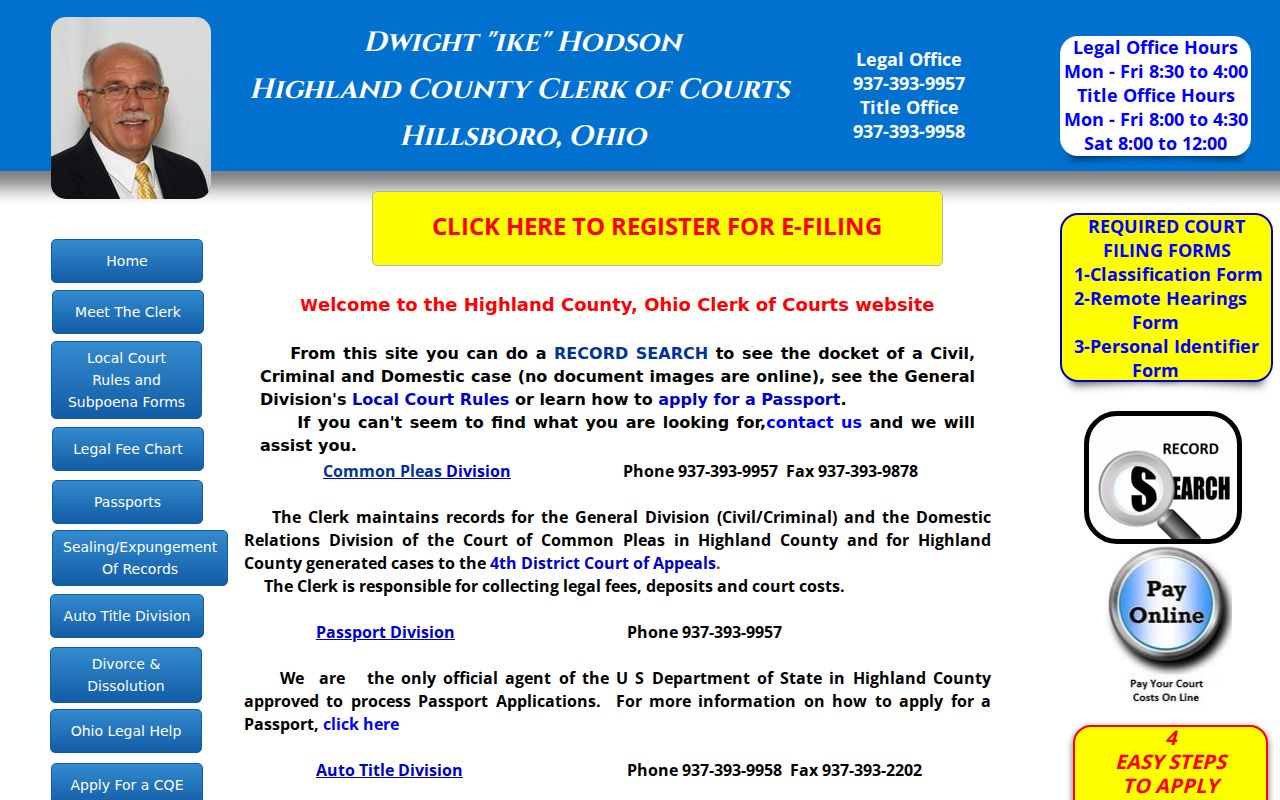
The Clerk route works well for a Common Pleas docket. By its own stated scope, though, it leaves out the other Highland County court systems.
Court Dockets: What They Show
A docket is the court's own chronological list of case events. At Highland County Common Pleas, public eAccess serves as the docket layer for Civil, Criminal, and Domestic cases. The Clerk states plainly that document images are not online. For a calendar view, Common Pleas Court Schedule Reports list the date, time, judicial officer, case number, caption or style, setting label, participant-role fields, attorney fields, and sometimes comments on duration or remote format.
County Court CaseLook labels its section “Docket Entries.” Its neutral public layout can show case type and file date, hearing details, a charge or cause field where applicable, status, plea, financial event categories, and a running event list. Fields vary by record. One caution: a docket reference to an order or filing does not promise a downloadable copy.
| Case number | The court-assigned identifier; Common Pleas calendar patterns include YYCR####, YYDR####, and YYDS####. |
|---|---|
| Parties or style | The caption and role labels that help distinguish one case from another. |
| Docket entries | Chronological filings, orders, notices, motions, and procedural events. |
| Hearing settings | Date, time, setting type, judicial officer, and any available event comment. |
| Disposition | The recorded result; an official copy comes from the court or clerk that holds it. |
Highland County Case Numbers and Docket Terms
Some Common Pleas calendar reports use a two-digit year, a type code, and a sequence. The pattern YYCR#### is a neutral criminal format. The patterns YYDR#### and YYDS#### show up in Domestic Relations and dissolution settings. Treat these as recognition aids for paperwork you already hold. They are not a formula for inventing a case number. The safest search value is the number printed on your court notice or citation.
Local vocabulary helps too. A motion asks the court to act; an entry is the court's filed action. A continuance is a court-approved postponement, not just a request to move a date. Also note that “Court View Public Records” and “Record Search” are product names for different Highland County systems. The label itself can hint at the right office.
- Arraignment
- An early criminal appearance after charging that begins the staged setting sequence.
- First pretrial
- The initial criminal case-management setting after arraignment.
- Final pretrial
- A later setting used to prepare for resolution or trial.
- Entry
- The court’s filed written action, which is crucial when a date formally changes.
- Disposition
- The court’s recorded resolution of a claim or charge.
Highland County Courts and Their Dockets
Why do Highland County cases split across several courts? The Ohio judicial-system structure explains it. The Court of Common Pleas has General, Domestic Relations, Probate, and Juvenile divisions. General Division takes felony criminal, general civil, foreclosure, and administrative-appeal matters. Domestic Relations covers divorce, dissolution, support, protection orders, and post-decree motions. Probate and Juvenile records are administered separately. Those divisions do share the Hillsboro courthouse complex.
The lower courts add a second layer. Hillsboro Municipal Court serves Highland County except Madison Township. The Highland County Court, Madison Township Division, in Greenfield covers that excluded area. Municipal and county courts handle traffic and nontraffic misdemeanors. They also take felony preliminary matters and limited civil disputes. Their public channels sit apart from the Clerk's Common Pleas docket.
| Court or division | Docket covers | Where to search |
|---|---|---|
| Common Pleas General | Felony criminal, general civil, foreclosure, administrative appeals | Clerk eAccess / Court View Public Records |
| Common Pleas Domestic Relations | Divorce, dissolution, support, protection orders | eAccess and Domestic Relations Calendar |
| Probate and Juvenile | Probate matters and Juvenile matters as access permits | Probate/Juvenile Record Search and clerk |
| Hillsboro Municipal | Most county lower-court traffic, misdemeanors, and limited civil | Municipal docket channel and clerk |
| Greenfield County Court | Madison Township traffic, misdemeanors, evictions, small claims, limited civil | County Court CaseLook and clerk |
Ohio’s trial-court directory is a useful official source for confirming the relevant local court.
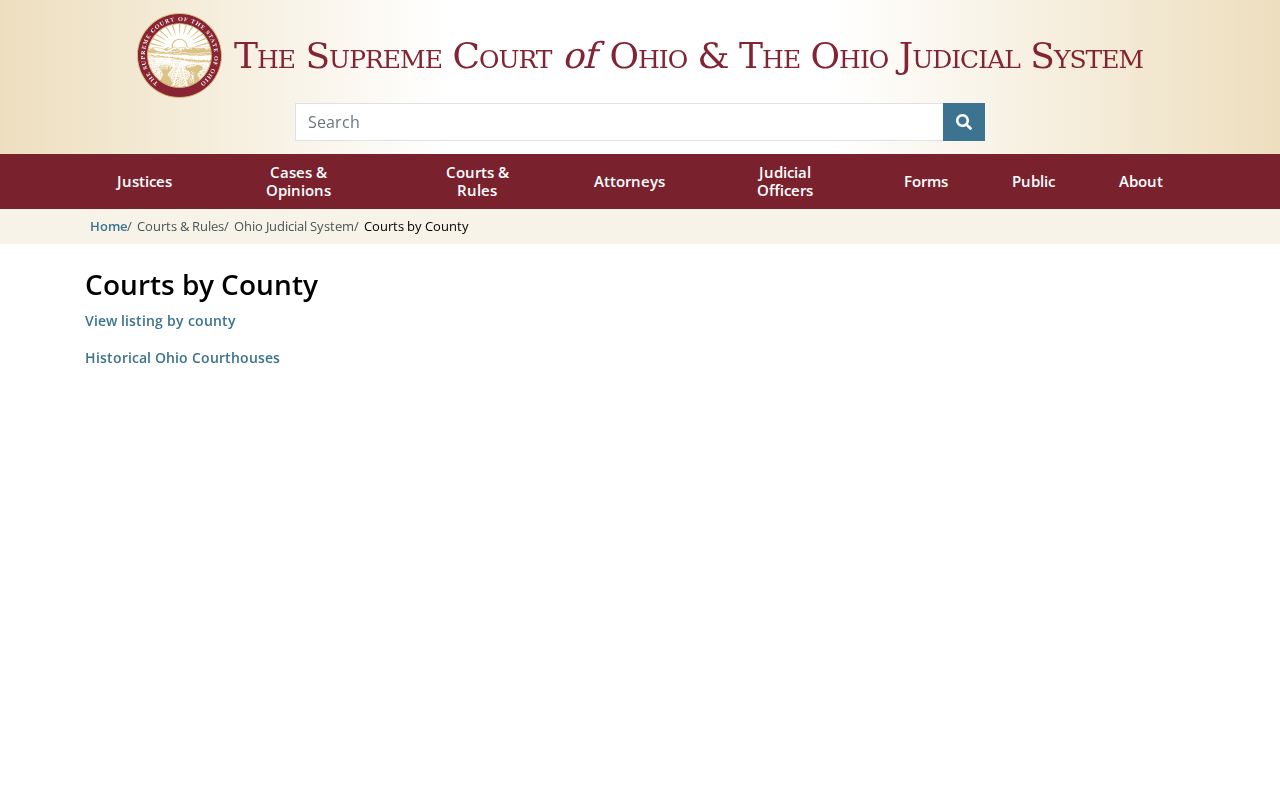
Use the directory to identify which court holds a case. For docket access and current contact details, the local court's own site is the source to trust.
Why Madison Township Uses Greenfield Court
Where a case starts decides where its docket lives in Highland County. Hillsboro Municipal Court covers the whole county, with one exception. That exception is Madison Township. Lower-level cases arising in the township route to Highland County Court, Madison Township Division, in Greenfield instead. The case type can look identical to something Hillsboro Municipal Court handles. Venue still follows the map.
Greenfield's CaseLook tool sits behind an agreement screen first. After that, it lets you search by name, hearing date, numeric case number, file date, ticket number, and case type. The Calendar Search works differently. It requires a beginning date, then adds case-type filters and a required CAPTCHA. There is also a date-specific Daily Docket. Need something urgent or verified? Call the County Court clerk at 937-981-2139.
Highland County Court's official Greenfield page posts the court's own Record Search along with its contact channels.
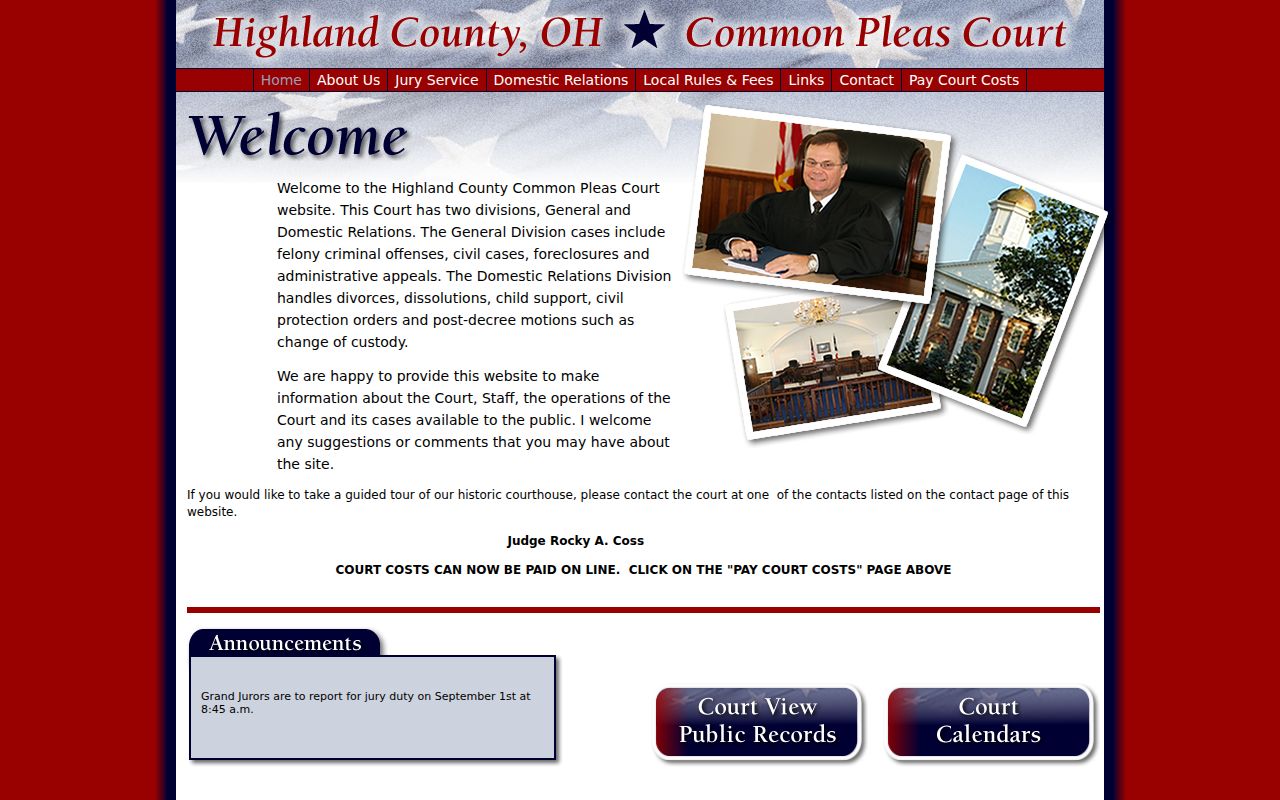
Greenfield is not a branch office of Hillsboro Municipal Court. It stands alone. The office serves as the separate local court for Madison Township matters.
Court Dates and Settings in Highland County
Common Pleas posts its General Division and Domestic Relations calendars at its official calendar page. Each calendar is a PDF Court Schedule Report. It is not an interactive case calendar. A report can list a date range, time, judicial officer, case number and style, setting type, attorney or party-role labels, and an event comment. General Division labels include pretrial, final pretrial, sentencing, and intervention-in-lieu plea. Domestic reports add more. They cover dissolution final, purge hearing, support hearing, settlement conference, contempt, and final hearing.
The court warns that settings can shift daily or at the last minute. Treat the report as a first check. Read the newest docket entry or order next. Then call Common Pleas at 937-393-2422. That works for a close or unclear setting. For a Domestic Relations date, the division points to CourtView/eAccess and its Events feature, then to itself if needed.
Lower-court dates belong to the owning court. Get them from that court's docket, citation, and clerk, not from the Common Pleas PDFs. One caution about motions. A continuance request does not move a Highland County setting until the court approves and dockets an entry.
Highland County Court Schedule Reports
A Court Schedule Report is a snapshot of planned settings. It is not a final notice. The report may include a remote-hearing note, a duration, a judicial officer's name, and a print time. Read those fields together. A listing time alone is not the full instruction for every participant. A later order can add conditions or replace the setting.
Highland's local criminal rules explain why one case shows several future dates. At arraignment, the court or magistrate sets first pretrial, final pretrial, and trial dates. Civil continuances work differently. The Local Rules require a written request plus a docketed entry approving it. The date changes when the court acts. Filing alone changes nothing.
The Common Pleas calendar landing page carries the current report links.
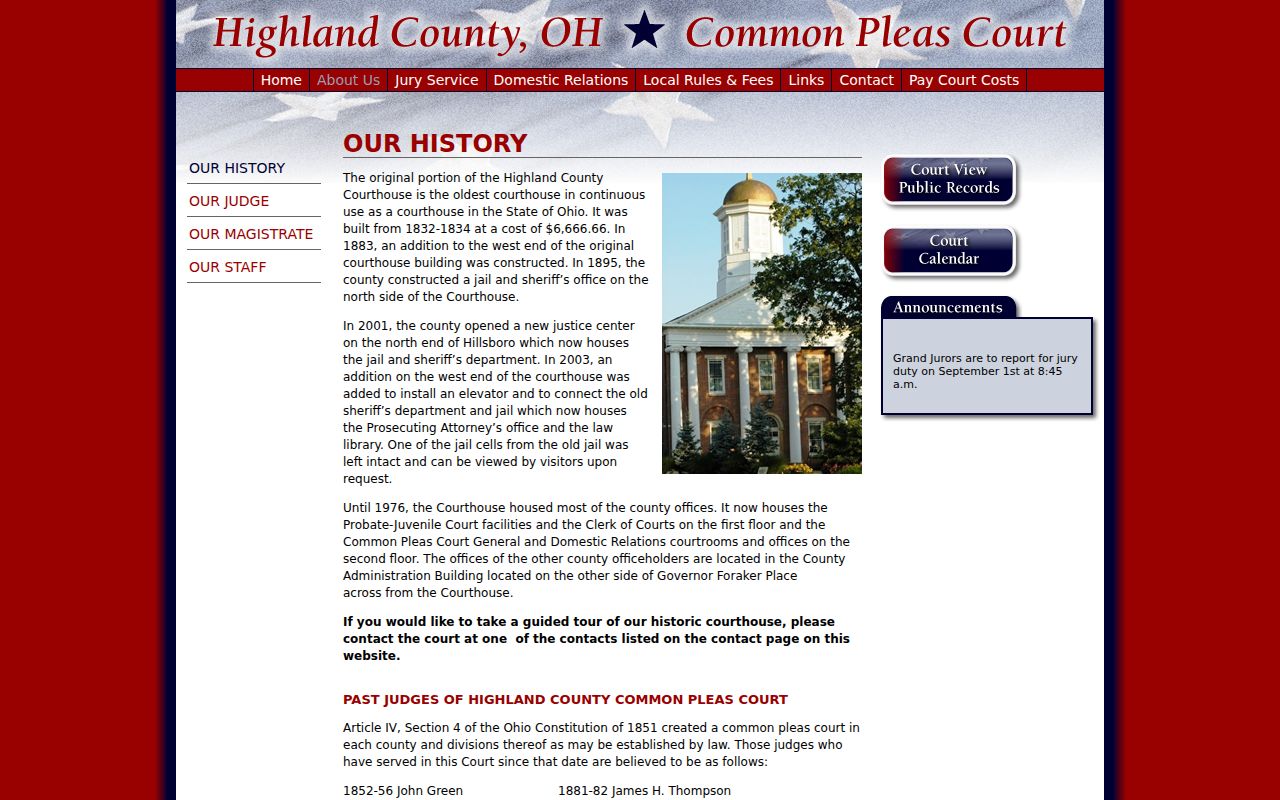
The calendar channel helps. Still, it complements the docket rather than replacing a timely confirmation with the Common Pleas Court.
Docket Access Under Ohio Law
Public access does not put every court document online. The Clerk offers a public docket search for Common Pleas Civil, Criminal, and Domestic cases. Document images are not part of that search. Highland Common Pleas Local Rule 35 generally presumes documents are open unless court rules or law apply. The rule also recognizes confidential material. Domestic Relations family-file material has its own controlled-access process.
When the docket does not carry a record, make a narrow request to the office that holds it. Include the case number, court, approximate date, and record type. The Highland County Public Records Policy says reasonably specific requests help processing. Larger, off-site, or legally reviewed requests may need an estimate. Court confidentiality and sealing rules still control the file.
Key Rules:
Ohio Rules of Superintendence, Sup.R. 44–47 define court records and set the statewide public-access framework.
Ohio Revised Code 2303.12 supplies clerk-record context for Common Pleas records.
Ohio Revised Code 149.43 is the Ohio Public Records Act for nonexempt public-office records.
Ohio Revised Code 2953.32 governs sealing and expungement of conviction records subject to its terms and exceptions.
Highland County Docket Access and Confidential Files
A public docket can show a filing happened. It may not show what was filed. Highland Local Rule 35 lists health, psychological, treatment, guardian-ad-litem, financial, appraisal, and other protected material among categories that can be confidential. In Domestic Relations, a public file may show only a Notice of Filing. The family-file material behind it stays separately controlled. So a missing attachment is not proof an entry was erased or never made.
Juvenile records need extra care. The Probate-facing Record Search form does not make every Juvenile matter public or searchable there. Use the court-controlled access path for a Juvenile record. Ask the Juvenile Clerk about the file's status. For a sealed Common Pleas criminal record, the court's access process and the governing order control. A broad request to an unrelated office will not unlock it.
The Probate and Juvenile Court's official site gives that division's own record-search and contact route.
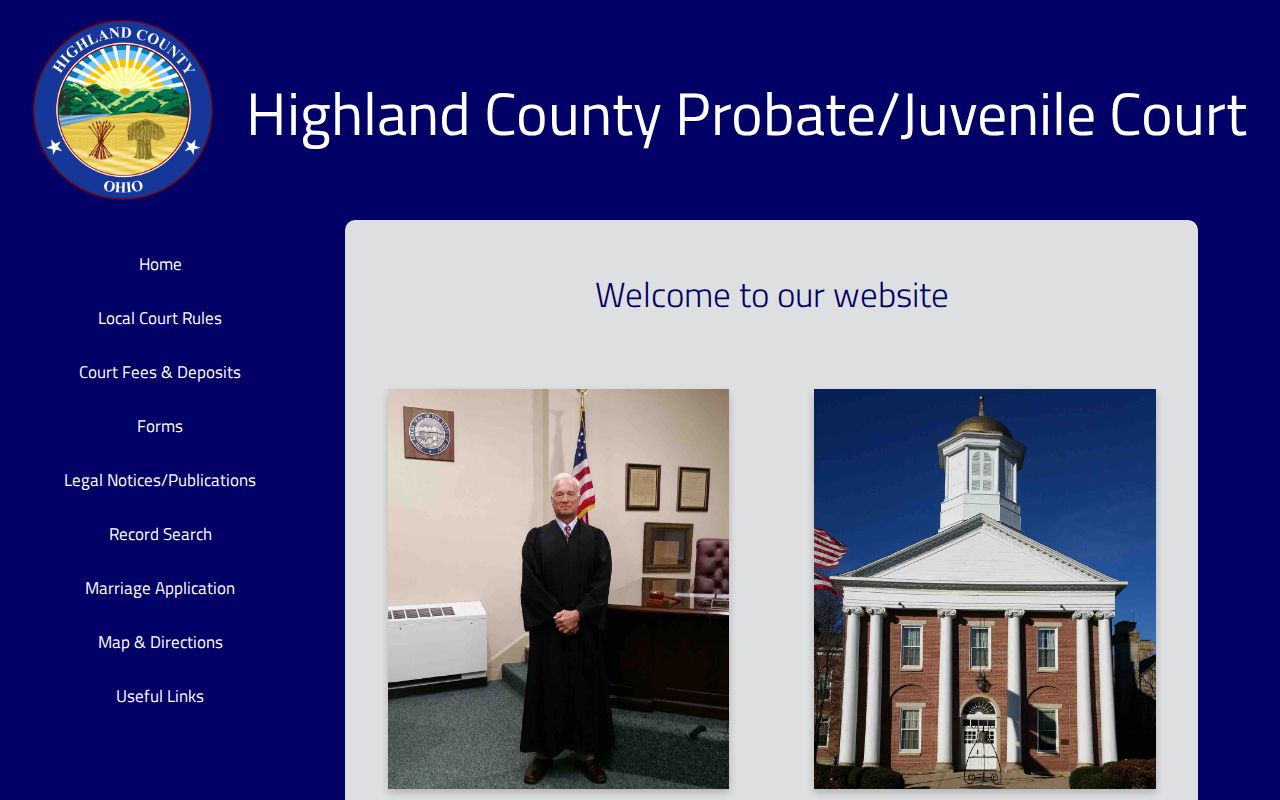
Confidential Juvenile access rests with the owning court.
How the Clerk Keeps Docket Records
Every Highland County court docket lives with the Clerk of Courts. That office holds Common Pleas General Division Civil and Criminal records. It also holds Domestic Relations records and Fourth District Court of Appeals cases that began in Highland County. A public Record Search on the Clerk's side finds the docket itself. Copies are another matter. A certified copy, an authenticated copy, a digital recording of a proceeding, and a typed transcript each have their own process and price. The Clerk's posted fee schedule shows a $1 certified-copy entry, a $2 authenticated-copy entry, and a $5 digital recording entry. Yet it sets no general online-copy price. It sets no flat unit for every request. Ask about the current charge before you order.
A Common Pleas copy request should name the court and division. Name the case number too. Say which document or event you want, and whether an ordinary or certified product will do. The Clerk's contact form is for questions only; it is not a certified-copy order form. Transcripts work differently too. The local rule works in two steps. The requester first gets the digital recording. Then comes a typed transcript arranged with an approved reporter or transcriptionist.
Highland County Clerk of Courts, Legal Office
105 N. High St., P.O. Box 821
Hillsboro, OH 45133
937-393-9957
Monday–Friday, 8:30 a.m.–4:00 p.m.
The Highland County government directory also lists the separate court and clerk contact channels.
Call the division that owns the record directly. That matters most when a setting, document, or file sits outside Common Pleas coverage in Highland County.
Historic Courthouse, Modern Docket Channels
The Highland County Courthouse at 105 North High Street has kept records for a very long time. The Ohio Supreme Court courthouse profile describes the brick building as a Pleasant Arthur design. It was built in 1835. It still works as a courthouse today. Common Pleas and Probate/Juvenile functions both operate there. Age alone does not put every old file online, though.
Access today is a mix. Common Pleas offers eAccess, PDF calendar reports, and optional registered e-filing under its local rule. The Clerk says public document images are not online. According to the Court's 2025 report, voluntary civil e-filing started in 2023. Criminal and Domestic Relations e-filing followed in 2024. Filing tools are not a document-image service. When an online docket record looks thin or old, ask the owning clerk. A specific request or an in-person look may be the better route. The Common Pleas Court history page gives the court's own local history and division background.
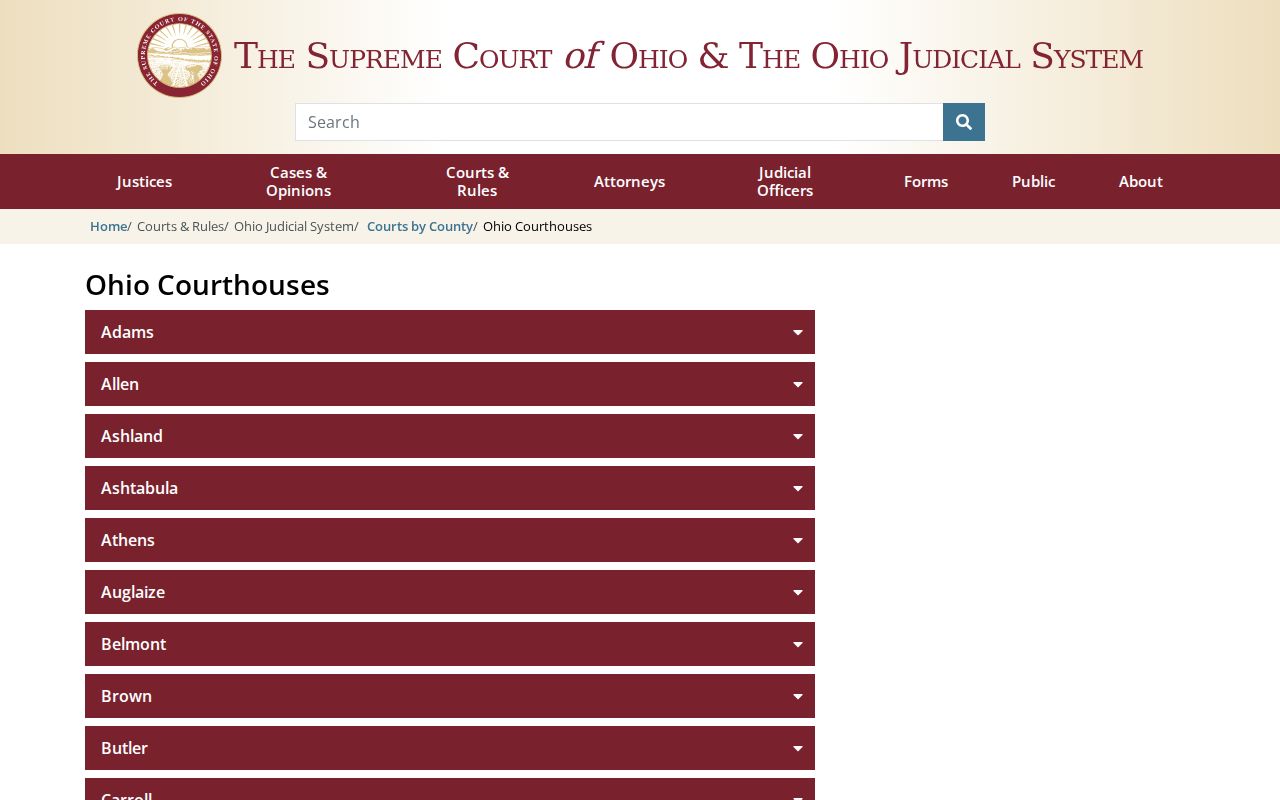
The historic building still serves as an official court location. For any docket search, the access channel each division currently uses decides how you find it.
910 Highland County Common Pleas Filings
Common Pleas was busy in 2025. The court's Annual Report counted 910 filed or reopened General and Domestic Relations cases. That was up from 819 in 2024. The report called 910 the highest total since 2015. The breakdown shows 607 General Division filings and 303 Domestic Relations filings. Treat these as court-report metrics only. They do not measure all Highland County court activity. They leave out lower-court systems. They also follow the report's own filing definitions.
The report also explains why a public docket can show far more activity than a new-case count implies. Its 161 new and reopened criminal matters omit later events. Those include probation violations, restitution, modification hearings, judicial-release hearings, sealing, Drug Court sessions, and other post-case activity. A single case can pile up docket entries and future settings without ever being counted as new again.
The Common Pleas Court's official home page links the annual report and current court resources.
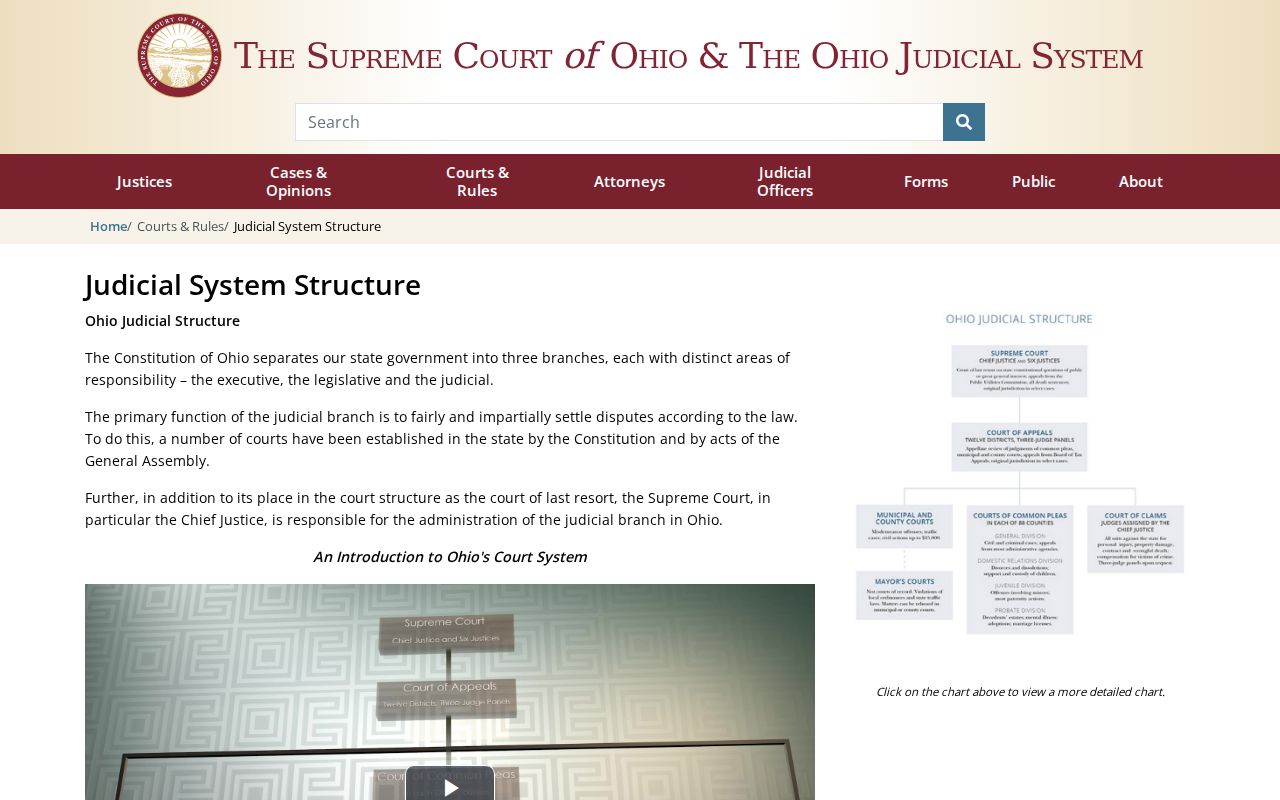
Filing totals give useful context on Common Pleas workloads. But choosing a portal still depends on court division and where the case falls geographically.
Highland County Docket Hand-Offs
A Highland County case lookup can switch channels fast. Common Pleas eAccess answers a Civil, Criminal, or Domestic docket question in Highland County. But a lower-court matter may sit elsewhere. It may belong to Hillsboro Municipal Court or the Greenfield County Court. When a Highland County online result has no document image, the Highland County Clerk of Courts is the Common Pleas record-contact route. Let the court named on the case, not the office you know best, set the next step.
Start any Highland County traffic question with the court and territory on the citation. Probate questions begin with the Probate/Juvenile division's separate Record Search. A certified copy needs the office that owns the file. A Highland County calendar question needs the current docket or a direct call to the court when a hearing is close. Each channel answers something different: event history, a scheduled setting, or a formal court product.
The Highland County hand-off is simple in practice. Identify the division. Keep the case number handy. Then ask the responsible clerk or court which access channel applies. That habit accounts for posting delays, restricted records, and copy procedures tied to a specific Highland County court. Do not trust one public search to answer everything.
City-by-City Court Dockets in Highland County
Hillsboro is the county seat and the only city in the state estimate. Greenfield, Lynchburg, Leesburg, and Mowrystown are villages. Their court routes do not all follow the municipal label. Hillsboro Municipal Court handles cases from Hillsboro, Leesburg, and Mowrystown. It also covers the Highland County portion of Lynchburg. Greenfield's Highland County portion sits in Madison Township and routes to the Greenfield County Court. The July 1, 2022 state estimates have one limit. They cover only the Highland County portions of cross-county villages.
Hillsboro Court Records
6,582 · Hillsboro Municipal Court is the lower-court channel for most Highland County territory.
Greenfield Court Records
4,323 · Greenfield’s Highland County cases route to the Madison Township County Court.
Lynchburg Court Records
1,520 · The Highland County portion follows the Hillsboro Municipal Court route.
Leesburg Court Records
1,270 · Fairfield Township matters use Hillsboro Municipal Court.
Mowrystown Court Records
385 · Court territory, rather than village size, determines the Hillsboro route.
Map and Directions to the Highland County Courthouse
Common Pleas General and Domestic Relations, the Clerk of Courts Legal Office, Probate, and Juvenile all keep their records at the Highland County Courthouse, 105 N. High Street, in downtown Hillsboro, built in 1835 and the oldest Ohio building still serving as a courthouse. Hillsboro Municipal Court, the lower-court channel for most of the county, is a separate building at 130 Homestead Avenue, and the Highland County Court's Madison Township Division sits in Greenfield at 300 Jefferson Street for that town's cases.
Highland County Clerk of Courts, Legal Office
105 N. High St.
Hillsboro, OH 45133
937-393-9957
Monday–Friday, 8:30 a.m.–4:00 p.m.
Probate and Juvenile keep different posted hours at the same address, 7:00 a.m. to 4:00 p.m., so confirm which division's window applies before a visit. No official source publishes a parking, security-screening, or terminal-access policy for the courthouse, so calling ahead is the safest way to confirm current access.